

Target Keyword: jewelry supplier for Shopify stores
For a Shopify jewelry store, choosing a supplier is not simply about finding attractive products at wholesale prices. The supplier needs to fit the way an online store actually operates—from product selection and SKU organization to product photography, collection planning, inventory management, and repeat purchasing.
This makes jewelry supplier for Shopify stores a more specific sourcing need than a general wholesale jewelry supplier.
The Lonceen Jewelry keyword strategy identifies this term as a transactional B2B keyword aimed specifically at Shopify sellers, making the search intent much closer to supplier selection than general jewelry research.
For Shopify brands, the ideal supplier should therefore be evaluated according to the e-commerce business model, rather than only traditional wholesale criteria.
1. Why Shopify Stores Need a Different Type of Jewelry Supplier
A physical jewelry retailer and a Shopify store may sell similar products, but their purchasing logic is different.
A Shopify store often needs to:
- Launch collections quickly
- Test products with online customers
- Manage many individual SKUs
- Refresh product pages regularly
- Use high-quality product images
- Build collections around specific customer interests
- Reorder products based on online sales performance
This means a good jewelry supplier for Shopify stores should be able to support the digital side of product selling as well as the physical product itself.
The question is not simply:
“Can this supplier manufacture jewelry?”
A better question is:
“Can this supplier help me build and maintain a Shopify-ready jewelry catalog?”
That distinction is important for growing e-commerce brands.
2. Start With Product Selection, Not Supplier Price
One of the biggest mistakes Shopify sellers make is choosing a supplier based primarily on unit price.
For an online store, the more important question is whether the supplier's product range supports a coherent storefront.
A strong jewelry catalog should allow you to build collections around themes such as:
Everyday Jewelry
Examples include:
- Minimalist necklaces
- Simple rings
- Small earrings
- Everyday bracelets
These products can become the foundation of a Shopify store.
Trend Jewelry
Trend-focused pieces can be used to attract customers through:
- Social media
- Seasonal campaigns
- Influencer marketing
- New collection launches
Statement Jewelry
Larger rings, layered necklaces, distinctive pendants, and bold earrings can provide visual impact and help create a stronger brand identity.
The goal is to build a balanced product portfolio, rather than uploading hundreds of unrelated products.
Lonceen's product range covers multiple jewelry categories, including rings, necklaces, earrings, bracelets, and pendants, which can give Shopify sellers more flexibility when planning collections.
3. Look for a Supplier That Understands E-Commerce Product Structure
Shopify stores depend heavily on organized product information.
Each jewelry item may require:
- Product name
- Product category
- Material
- Finish
- Dimensions
- Color or plating option
- Product images
- SKU
- Pricing information
- Collection assignment
When a supplier provides poorly organized product information, the retailer has to spend additional time preparing every product page.
For this reason, Shopify sellers should discuss product data and catalog organization with potential suppliers before building a large collection.
A supplier that understands online retail can make it easier to move from product sourcing to storefront publishing.
4. Product Photography Matters More for Shopify Jewelry Stores
Jewelry is highly visual.
Customers cannot physically touch a necklace or try on a ring when shopping through a Shopify website. Product presentation therefore plays an important role in online purchasing decisions.
A Shopify jewelry supplier should ideally support retailers with product information and visual assets that make online merchandising easier.
Consider whether the supplier can provide:
- Clear product images
- Multiple product angles
- Detail views
- Consistent photography
- Lifestyle imagery where appropriate
- Product specifications
Consistent photography is particularly useful when creating collection pages.
For example, if twenty necklaces all use completely different backgrounds and lighting, the Shopify storefront can look inconsistent. A visually coordinated product library makes the store appear more professional.
5. Choose Jewelry That Works Well as an Online Product
Not every jewelry product performs in the same way online.
For Shopify sellers, product selection should consider visual appeal, price positioning, repeatability, and ease of merchandising.
| Jewelry Type | Shopify Selling Advantage | Typical Store Role |
|---|---|---|
| Necklaces | Strong visual presentation | Core collection |
| Earrings | Easy to merchandise | Entry-level products |
| Rings | Strong personalization potential | Collection builders |
| Bracelets | Suitable for daily wear | Lifestyle products |
| Pendants | Easy to create themes | Signature pieces |
This is also why Shopify sellers may benefit from working with suppliers that offer multiple product categories rather than specializing in only one type.
The Lonceen keyword strategy specifically separates product-category terms such as wholesale rings, wholesale necklaces, earrings, bracelets, and pendants, reflecting the importance of category-specific sourcing in B2B jewelry purchasing.
6. Think About Collections Instead of Individual Products
A Shopify store should not look like a supplier catalog.
Instead, retailers can use supplier products to create their own merchandising structure.
For example:
Minimalist Collection
- Fine chain necklace
- Simple ring
- Small hoop earrings
- Slim bracelet
Men's Collection
- Chain necklace
- Signet ring
- Stainless steel bracelet
- Pendant
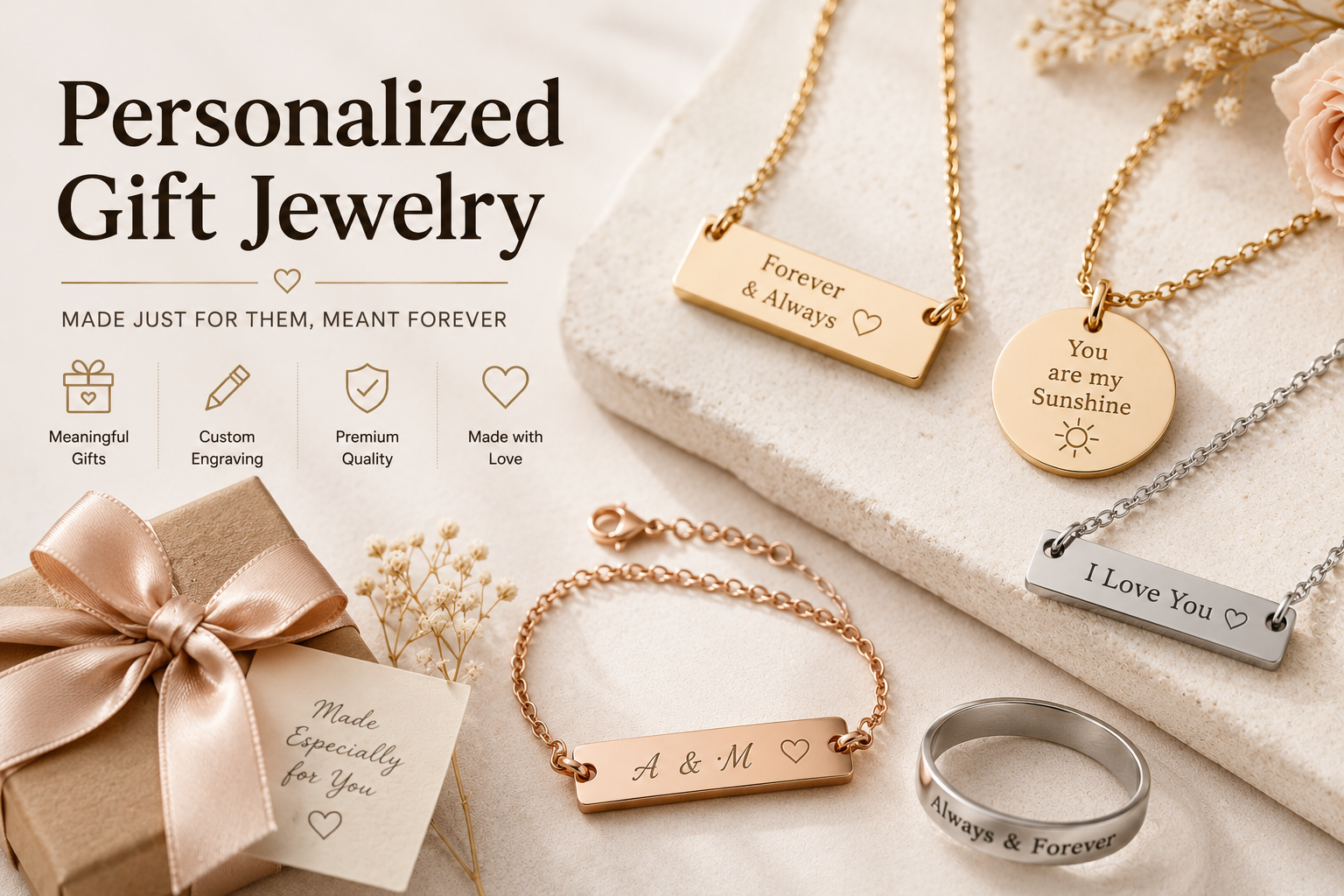
Gift Collection
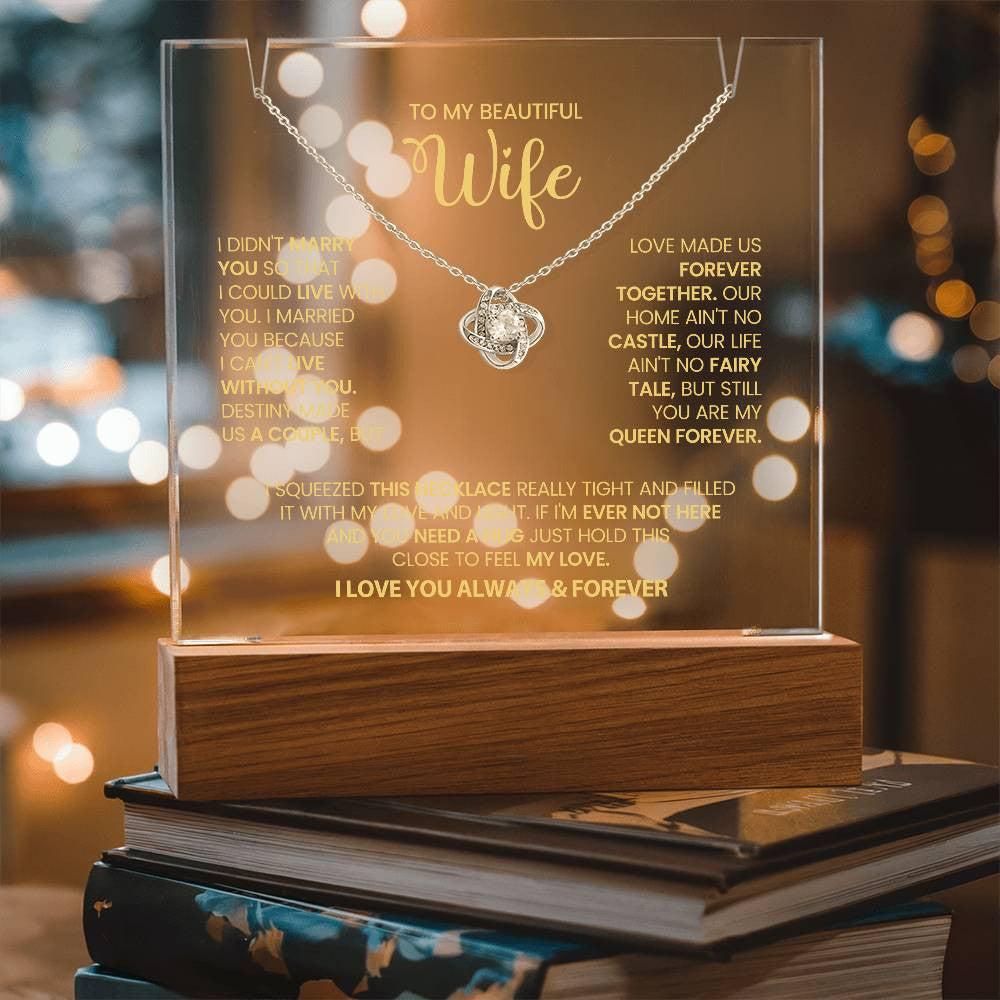
- Personalized necklace
- Couple bracelet
- Symbolic pendant
- Gift-ready earrings
This approach allows the retailer to turn a large supplier catalog into a distinctive online shopping experience.
The supplier provides the product possibilities; the Shopify brand creates the customer-facing collection strategy.
7. Evaluate Materials According to Your Store Positioning
Material selection should also match your Shopify store's positioning.
For example:
Stainless steel jewelry can work well for brands emphasizing durability, contemporary design, and accessible pricing.
Sterling silver jewelry may be more appropriate for stores positioned toward premium or higher-value products.
Mixed-material jewelry can help brands develop a more distinctive visual identity.
The important point is consistency.
If a Shopify store positions itself as premium but mixes low-end-looking products throughout the catalog, customers may struggle to understand the brand's value proposition.
Instead of asking a supplier only:
“What is your cheapest jewelry?”
ask:
“Which materials and product styles best fit my target customer?”
8. Reordering Should Be Part of Your Supplier Evaluation
A Shopify store can quickly identify which products sell and which products do not.
This creates a different purchasing cycle from traditional wholesale retail.
A typical online seller may:
- Introduce a new collection
- Monitor product performance
- Identify high-performing SKUs
- Reduce slow-moving products
- Reorder successful items
- Expand related designs
Your supplier therefore needs to support a repeatable product cycle.
Consistency becomes particularly important when a product becomes a bestseller. If the same style changes significantly between orders, product reviews, customer expectations, and product photography may no longer match the actual item.
9. Shopify Suppliers Should Support Brand Growth
A small Shopify store may begin with a limited collection but gradually develop into a recognizable jewelry brand.
Its sourcing requirements can evolve from:
Testing products → building collections → developing signature designs → expanding categories
This is where a supplier with broader jewelry development capabilities can become more valuable than a simple trading source.
Lonceen provides jewelry design, development, manufacturing, and wholesale solutions for business customers, allowing the supplier relationship to extend beyond simply purchasing existing products.
10. A Practical Checklist for Choosing a Jewelry Supplier for Shopify Stores
Before committing to a supplier, Shopify sellers can evaluate the following:
Product Fit
- Does the supplier offer styles that match your target market?
- Can you build complete collections?
- Are new designs available regularly?
Online Merchandising
- Are product images suitable for e-commerce?
- Is product information clear and consistent?
- Can the supplier provide useful specifications?
Brand Development
- Can the supplier support customized products?
- Can your product range evolve as the brand grows?
- Can the supplier handle different jewelry categories?
Commercial Relationship
- Is communication efficient?
- Are reorder requirements clear?
- Can the supplier maintain product consistency?
This checklist focuses specifically on the needs of Shopify businesses rather than repeating the general supplier-selection criteria used for traditional jewelry procurement.
11. Why Lonceen Can Be Considered for Shopify Jewelry Sourcing
For Shopify sellers looking for a broader jewelry partner, Lonceen combines multiple jewelry categories with design, development, manufacturing, and wholesale capabilities.
Its product portfolio covers categories such as rings, necklaces, earrings, bracelets, and pendants, while its business positioning supports brands and other B2B buyers.
The advantage for an online jewelry business is the ability to explore multiple product directions through one supplier relationship instead of sourcing every category separately.
Browse Lonceen Jewelry Collections
Conclusion: Find a Supplier That Fits Your Shopify Business Model
The right jewelry supplier for Shopify stores should do more than offer wholesale jewelry.
For online sellers, supplier selection should be based on:
- Product variety
- Collection potential
- E-commerce-ready presentation
- Material options
- Product consistency
- Reordering capability
- Long-term brand development
The most effective sourcing strategy is to find a supplier whose capabilities match the way your Shopify store actually grows.
Instead of choosing products one by one, think about the bigger picture: Can this supplier help me build a consistent, scalable jewelry catalog for my online brand?
If the answer is yes, the supplier can become more than a product source—it can become part of your long-term e-commerce supply strategy.
FAQ
1. What should I look for in a jewelry supplier for Shopify stores?
Look for a supplier with suitable product variety, consistent quality, useful product information, strong visual presentation, and the ability to support repeat orders as your store grows.
2. Can Shopify stores buy jewelry directly from manufacturers?
Yes. Shopify sellers can source directly from jewelry manufacturers, wholesalers, or specialized suppliers depending on their product strategy and purchasing requirements.
3. What jewelry categories are suitable for Shopify stores?
Popular categories include necklaces, rings, earrings, bracelets, and pendants. The best selection depends on your target customer and store positioning.
4. Should a Shopify jewelry store sell many different products?
Not necessarily. A focused collection with a clear theme can be more effective than a large catalog of unrelated products.
5. Can a jewelry supplier help Shopify brands develop custom products?
Professional jewelry manufacturers may provide design and product development services, allowing brands to move beyond standard catalog products and create more differentiated collections.