Why Stainless Steel Jewelry Is Replacing Traditional Materials
For many years, jewelry production relied heavily on alloy, silver, and plated base metals. While these materials offered flexibility, they often came with limitations—fading, deformation, and inconsistent durability.
Today, stainless steel jewelry is becoming the preferred alternative.
At Lonceen Jewelry, we’ve seen a clear shift in demand toward stainless steel products because they offer a balance of strength, stability, and cost control. Instead of frequent replacements or quality complaints, businesses can deliver products that perform consistently over time.
This shift is not just about material—it’s about long-term reliability.
Material Properties That Define Stainless Steel Jewelry Performance
Stainless steel is not a single material—it includes multiple grades, each with different properties. In jewelry production, the most common types are:
- 304 stainless steel → good balance of cost and durability
- 316 stainless steel → higher corrosion resistance, suitable for premium products
Key advantages include:
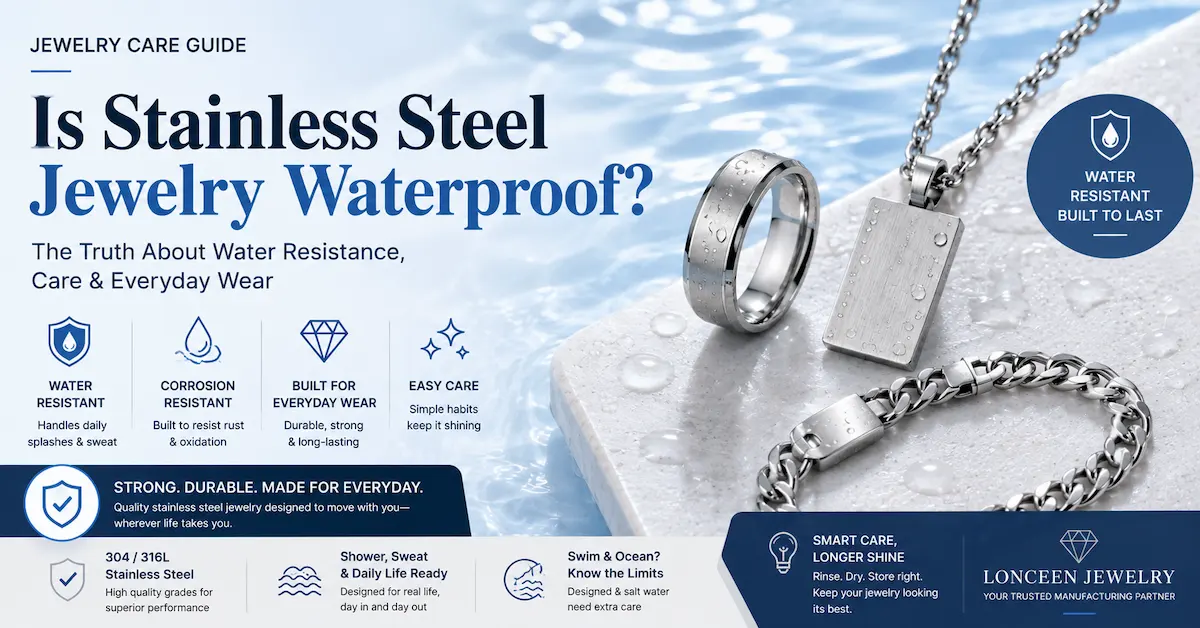
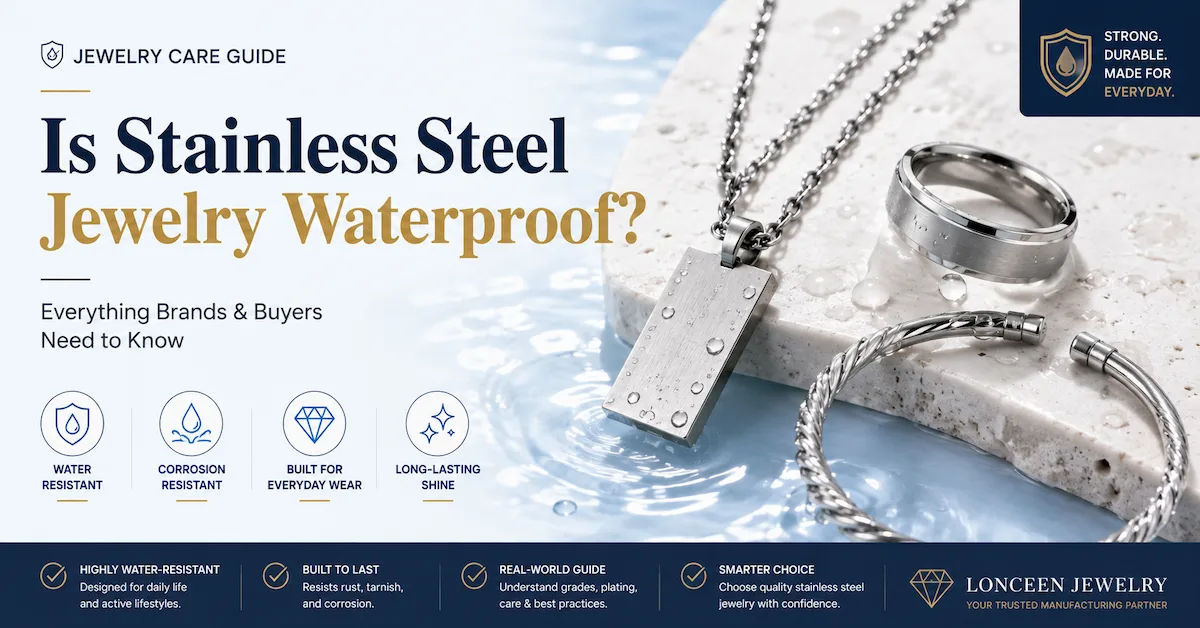
- Resistance to oxidation and tarnishing
- High tensile strength (less deformation)
- Skin-friendly surface when properly finished
According to market insights from Statista, consumers increasingly prefer durable, low-maintenance accessories over fragile alternatives.
👉 https://www.statista.com/
This is one of the reasons stainless steel jewelry continues to gain market share.
Surface Finishing and Plating: Enhancing Visual Appeal
While stainless steel is naturally durable, finishing processes define its final appearance.
Common finishing methods:
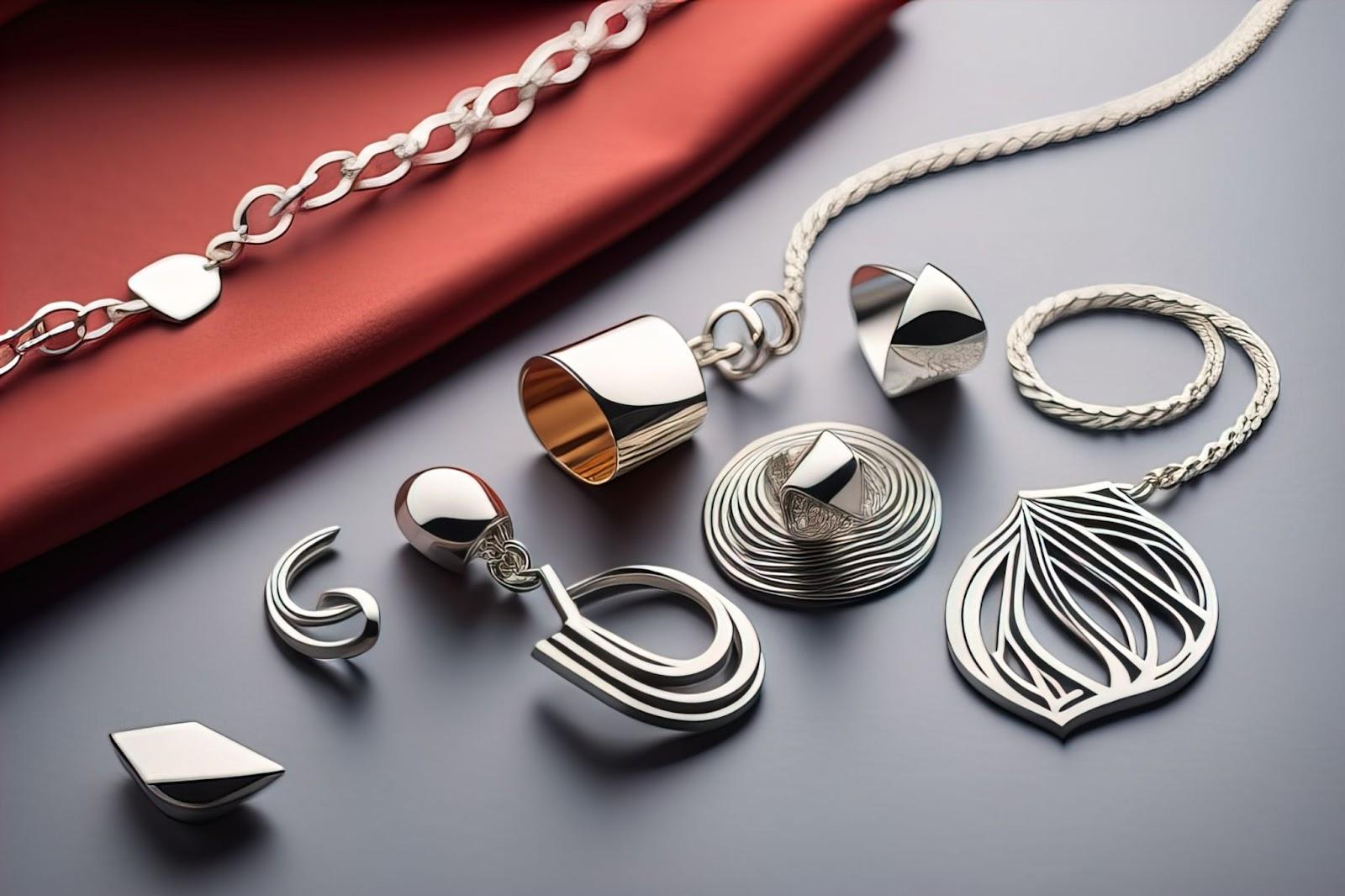
- Mirror polishing → high-reflective, premium look
- Brushed finish → matte, modern aesthetic
- Gold plating → adds luxury appearance
Typical plating thickness:
- 0.08μm–0.25μm for gold finishes
- Controlled plating ensures longer color retention
Unlike softer metals, stainless steel provides a stable base for plating, which reduces peeling and uneven wear.
Why Production Control Matters for Stainless Steel Jewelry
Although stainless steel offers strong performance, poor production control can still lead to quality issues:
- Uneven polishing
- Surface scratches
- Inconsistent plating
At Lonceen Jewelry, we focus on:
- Multi-stage polishing for smooth surfaces
- Uniform plating application
- Dimensional consistency across batches
Because stainless steel reflects light clearly, even minor defects can be visible—making precision essential.
Where Stainless Steel Jewelry Performs Best in the Market
Stainless steel jewelry is highly versatile and works across multiple business models.
For e-commerce sellers, it provides a reliable product base that reduces returns and complaints.
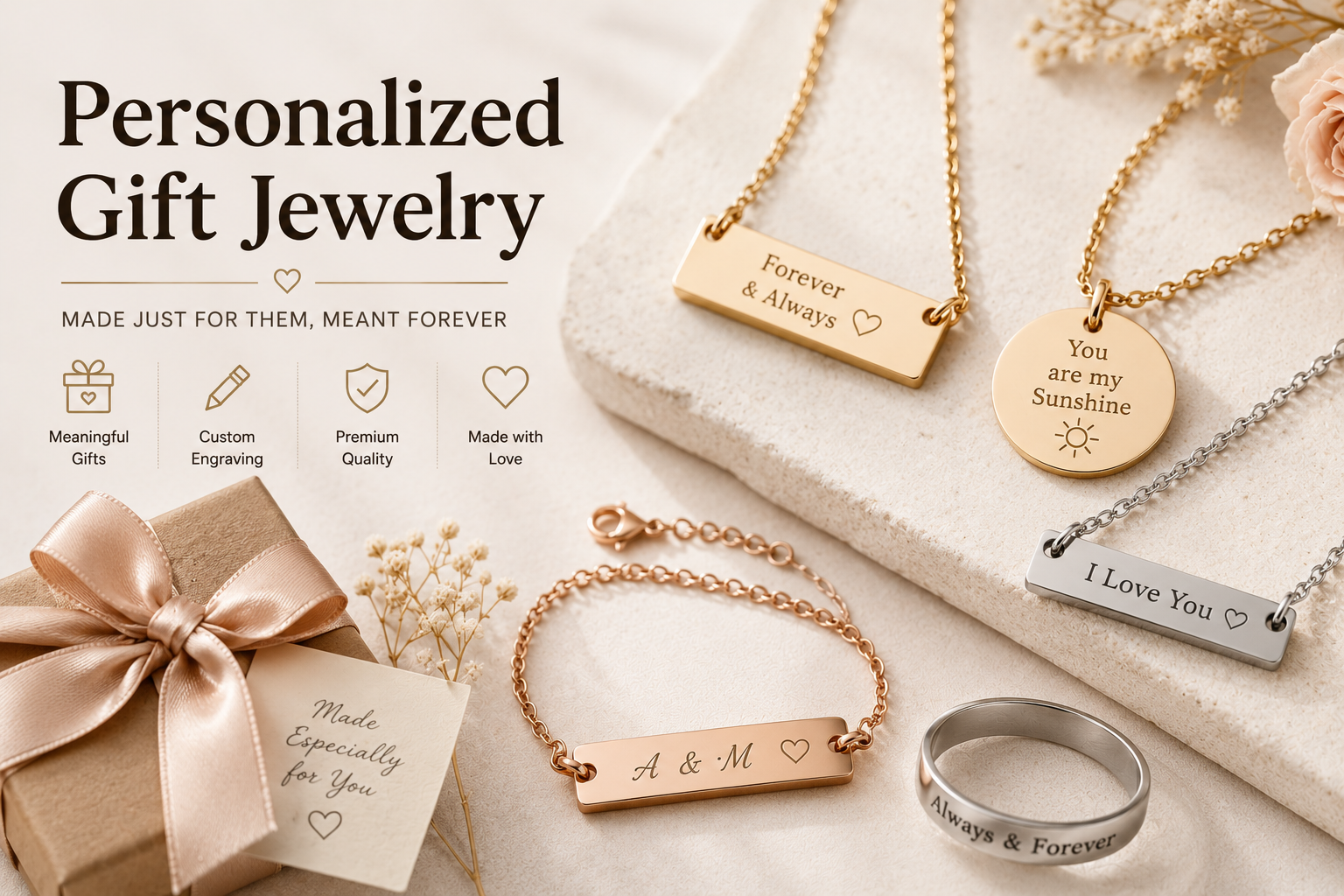
In the gift market, its durability ensures that products maintain appearance over time, increasing perceived value.
For brands, stainless steel supports both minimalist and customized designs, making it suitable for a wide range of collections.
Efficient Production and Cost Advantages
One of the biggest advantages of stainless steel jewelry is production efficiency.
Typical production benchmarks:
- MOQ: 50–300 pieces
- Sample lead time: 3–7 days
- Bulk production: 10–20 days
According to McKinsey & Company, simplified material systems improve manufacturing efficiency and cost control.
👉 https://www.mckinsey.com/
Compared to precious metals, stainless steel allows businesses to maintain quality while keeping costs competitive.
Data Comparison: Stainless Steel vs Traditional Jewelry Materials
| Metric | Alloy Jewelry | Sterling Silver | Stainless Steel |
|---|---|---|---|
| Tarnish Resistance | Low | Medium | High |
| Deformation Risk | High | Medium | Low |
| Maintenance Required | High | Medium | Low |
| Cost Stability | Low | Medium | High |
| Product Lifespan | 1–6 months | 6–12 months | 12+ months |
| Customer Complaints | High | Medium | Low |
This comparison shows why stainless steel is increasingly preferred.
Case Insight: Reducing Returns with Stainless Steel Jewelry
A growing jewelry seller approached us after facing high return rates due to fading and deformation.
We helped them transition to stainless steel jewelry:
- Replaced alloy materials with 316 stainless steel
- Improved surface finishing process
- Standardized plating thickness
Within two months:
- Return rate dropped significantly
- Customer satisfaction improved
- Product lifespan increased
This change reduced operational costs while improving brand reputation.
Frequently Asked Questions About Stainless Steel Jewelry
Q: Does stainless steel jewelry rust?
A: No, it is highly resistant to rust and corrosion under normal conditions.
Q: Is stainless steel safe for sensitive skin?
A: Yes, especially when properly finished and polished.
Q: Can stainless steel jewelry look premium?
A: Yes, with proper polishing and plating, it can achieve a high-end appearance.
Building a Reliable Jewelry Line with Stainless Steel
Stainless steel jewelry combines durability, cost efficiency, and design flexibility—making it one of the most practical materials for modern jewelry businesses.
At Lonceen Jewelry, we focus on delivering high-quality stainless steel jewelry with stable production and consistent finishing.
If you want to explore our stainless steel jewelry collection, you can visit our product page here:
👉 https://www.lonceenjewelry.com/en/products
And if you are planning a jewelry project or need recommendations, feel free to contact our team:
👉 https://www.lonceenjewelry.com/contact-us