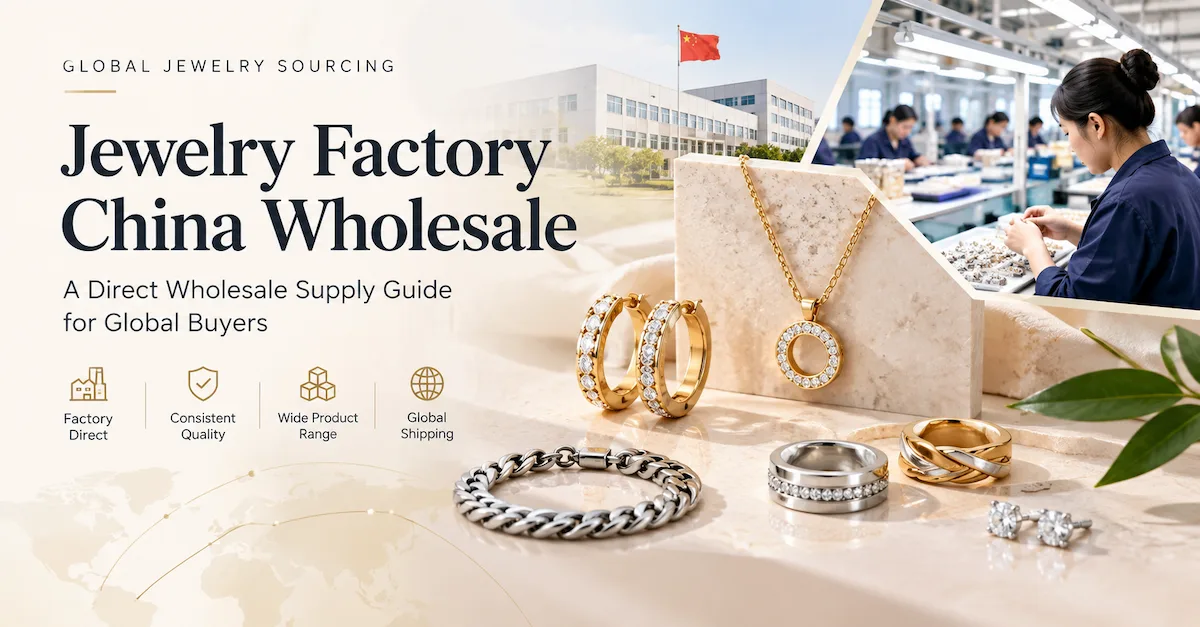


Men’s chain jewelry has become an important category for fashion brands, streetwear labels, online jewelry stores, and retailers. But sourcing chains is different from simply adding more men’s jewelry to a product catalog.
The chain itself is the product.
Its link shape, thickness, length, weight, surface finish, clasp, and material all affect how the piece looks and feels when worn. For brands, choosing the right mens chain jewelry supplier means finding a partner that can deliver consistent construction and commercially usable designs across multiple orders.
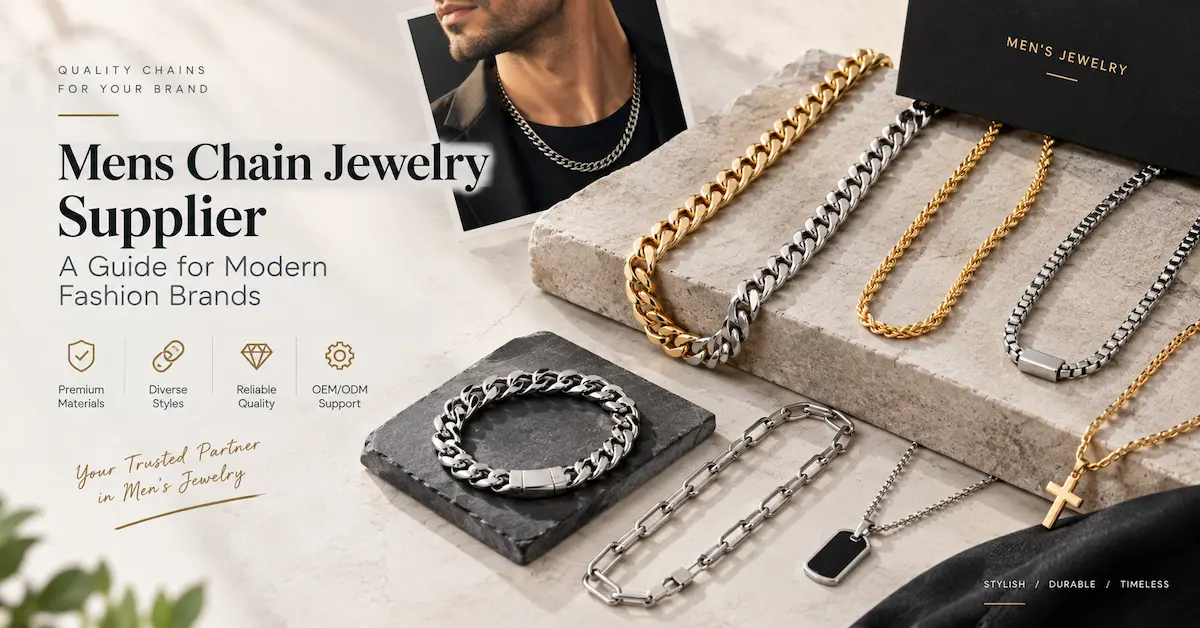
This guide explains what brands should evaluate when sourcing men’s chain jewelry and how to build a stronger chain-focused product line.
What Makes Men’s Chain Jewelry Different?
A chain has fewer decorative elements than many other jewelry products, so small construction differences become highly visible.
A slightly different link proportion can change the entire appearance. A heavier chain can create a stronger streetwear look, while a thinner chain may work better for minimalist or everyday collections.
For this reason, chain sourcing should focus on five areas:
- Link design and proportions
- Chain width and length
- Material and surface treatment
- Clasp and connection strength
- Weight, comfort, and overall balance
A reliable supplier should be able to control these details consistently rather than simply offering a large number of chain styles.
Which Chain Styles Should Brands Consider?
Different chain constructions serve different market positions. Instead of buying every available style, brands can create a more focused collection around several recognizable chain categories.
| Chain Style | Visual Character | Suitable Positioning |
|---|---|---|
| Cuban Link | Bold and substantial | Hip-hop, streetwear, statement jewelry |
| Curb Chain | Structured and masculine | Fashion and everyday men's jewelry |
| Figaro Chain | Alternating link pattern | Classic and lifestyle collections |
| Rope Chain | Twisted, reflective surface | Fashion and statement looks |
| Box Chain | Clean and geometric | Minimalist and pendant collections |
| Paperclip Chain | Modern and elongated | Contemporary fashion |
| Snake Chain | Smooth and fluid | Refined and minimalist styles |
| Layered Chain | Multiple textures or lengths | Trend-driven collections |
The goal is not maximum variety.
A stronger product line usually has a clear visual direction. For example, a streetwear brand may prioritize Cuban, curb, rope, and layered chains, while a minimalist brand may focus on box, snake, and fine curb constructions.
Chain Width and Length Should Match the Product Position
One of the most important decisions when working with a mens chain jewelry supplier is selecting appropriate dimensions.
Width affects visual weight. Length affects how the chain sits around the neckline.
Common commercial combinations include:
- 2–4 mm: Minimalist and everyday styles
- 5–7 mm: Versatile fashion positioning
- 8 mm and above: Statement and streetwear styles
- 45–50 cm: Shorter, closer-to-neck styling
- 55–60 cm: Versatile everyday length
- 65 cm and above: Layering and statement looks
These ranges are practical starting points rather than universal standards. The final specification should depend on the chain construction, target customer, pendant size, and intended styling.
For brands, it is useful to request several width and length samples before committing to a production specification.
Material Selection for Men’s Chains
Material influences durability, appearance, price, and product positioning.
Stainless Steel
Stainless steel is widely used for commercial men’s chains because it offers a balance between durability, cost, and design flexibility.
304 stainless steel and 316L stainless steel can both be used in jewelry applications, depending on the product requirements.
For brands selling everyday fashion jewelry, stainless steel can be particularly practical when the collection needs durable products at accessible price points.
925 Sterling Silver
925 sterling silver is better suited to brands targeting a higher material positioning.
It provides a different weight, feel, and finishing experience from stainless steel. It can also support more premium chain designs and detailed surface treatments.
Gold-Plated Options
Gold-plated chains allow brands to create a warmer or more luxurious appearance without using solid gold.
However, plating should be evaluated as part of the complete production specification. Brands should ask about the base material, plating process, color consistency, surface preparation, and quality inspection.
Mixed Materials and Decorative Elements
Some men’s chains combine metal links with:
- CZ or moissanite stones
- Pendants
- Colored enamel
- Leather elements
- Beads
- Custom charms
These additions can help differentiate a chain collection, but they also increase the number of production details that need to be controlled.
What Should Brands Check Before Choosing a Supplier?
A supplier may have attractive product photos but still be unsuitable for long-term chain sourcing.
Before placing a bulk order, evaluate the following:
| Evaluation Area | What to Check |
|---|---|
| Chain construction | Link connection, symmetry, flexibility |
| Material | Stainless steel, 316L, 925 silver, alloy, etc. |
| Dimensions | Width, length, thickness, weight |
| Clasp | Lobster clasp, box clasp, toggle, magnetic or custom |
| Surface | Polish, brushing, plating, texture |
| Color | Gold, silver, black, two-tone consistency |
| Customization | Logo, pendant, chain size, plating |
| Sampling | Prototype and pre-production samples |
| QC | Appearance, dimensions, connection points |
| Repeat orders | Same specification and finish consistency |
For chain jewelry, repeat-order consistency deserves special attention.
A brand may approve a sample today but receive a slightly different link size, plating color, or clasp construction in a later production run. This can create inconsistencies across the same product SKU.
Chain Construction Matters More Than Product Photos
A high-quality product image cannot show everything.
When evaluating samples, inspect the chain physically.
Link Connection
Check whether individual links close cleanly and whether the connections create a smooth continuous structure.
Poorly finished connections may create sharp edges or weaken the chain.
Flexibility
A chain should move according to its intended design.
Some chains are designed to drape naturally, while others need a more structured appearance. Excessive stiffness or unexpected twisting can affect the wearing experience.
Clasp Construction
The clasp is one of the most frequently handled components.
Check whether it operates smoothly and whether the connection between the clasp and chain is properly finished.
Surface Finish
Polished, brushed, textured, and plated surfaces create different visual effects.
For gold-plated products especially, brands should evaluate color uniformity across links, clasps, and decorative components.
Build Chain Collections Around Customer Use Cases
A useful collection should reflect how customers actually wear the products.
Everyday Men's Jewelry
Focus on:
- Medium-width chains
- Comfortable lengths
- Simple link patterns
- Stainless steel or silver
- Minimal pendants
These products can work across casual and everyday outfits.
Streetwear and Hip-Hop Jewelry
The collection can emphasize:
- Cuban chains
- Chunkier curb chains
- Iced-out details
- Cross or symbolic pendants
- Gold-plated finishes
- Layering combinations
Lonceen’s current factory catalog includes men's Cuban-link and hip-hop chain products in stainless steel and 925 sterling silver, showing how these styles can be developed across different material and price positions.
Minimalist Men's Jewelry
A minimalist collection usually benefits from:
- Narrower chains
- Clean geometric links
- Silver or muted finishes
- Simple pendants
- Consistent sizing
The product range should remain visually controlled rather than relying on excessive decoration.
When Should You Work With a Factory-Direct Supplier?
A factory-direct relationship can become more valuable when a brand needs repeated production or customization.
Instead of purchasing finished products only, brands may require:
- Custom chain dimensions
- Custom link shapes
- Brand logos
- Custom pendants
- Special plating colors
- Different chain lengths
- Private-label packaging
- Original product development
A manufacturer with design, sampling, engineering, production, and delivery capabilities can reduce communication gaps between these stages.
Lonceen states that its OEM/ODM process covers communication, sample design, engineering proofing, sample confirmation, production, assembly and delivery. Its factory site also reports more than 10 years of industry experience, 16 production plants, a 32,000-square-meter production workshop, and monthly output exceeding 5 million pieces.
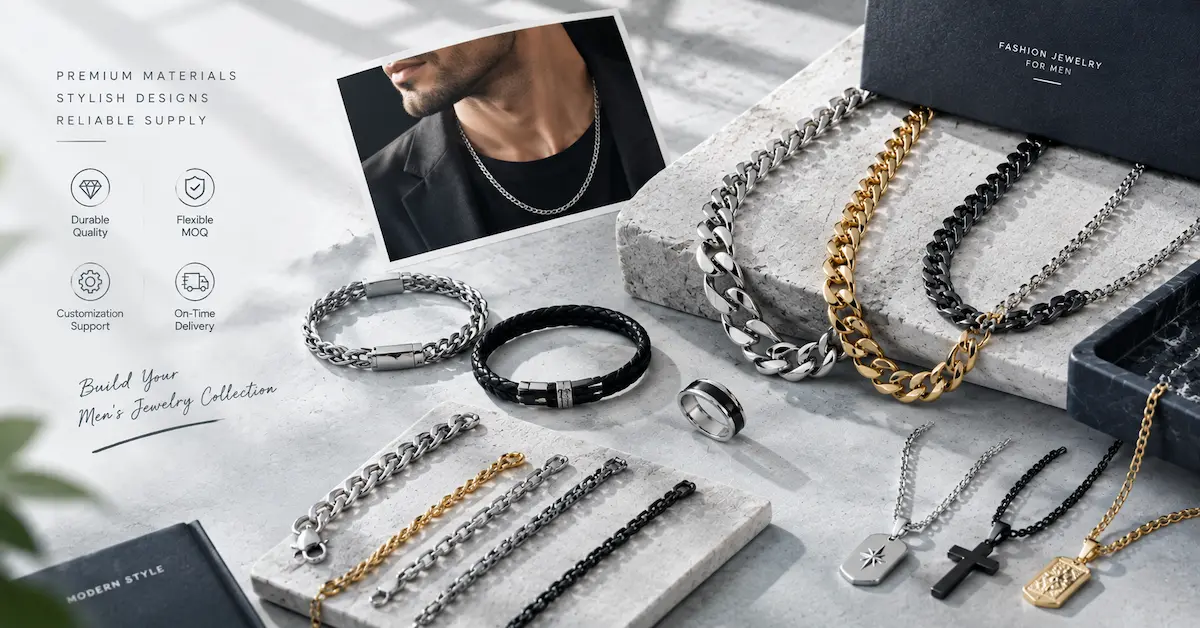
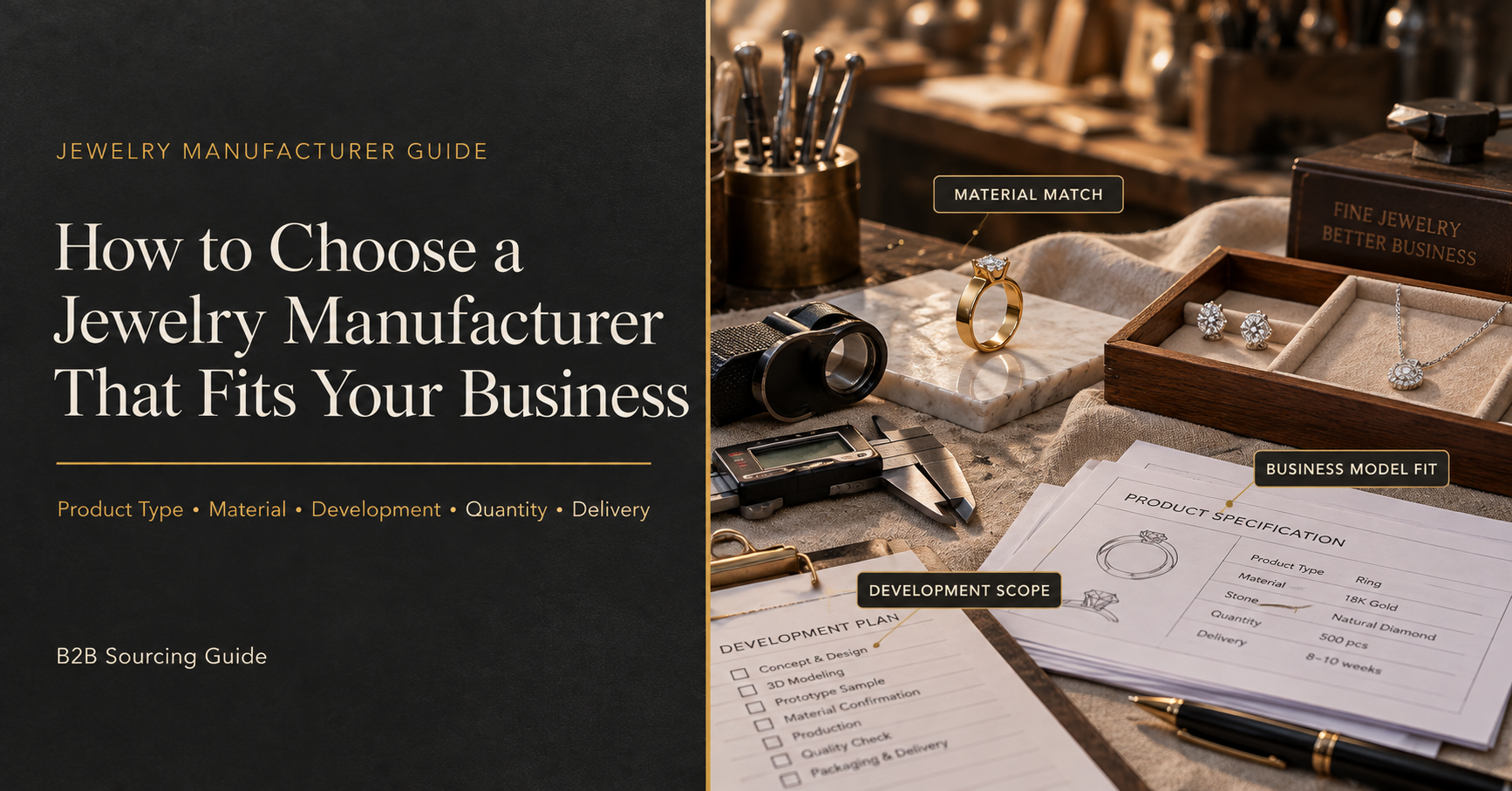
OEM and ODM Options for Men's Chain Jewelry
OEM is useful when your brand already has a defined chain design.
You provide specifications such as:
- Chain drawing
- Dimensions
- Material
- Plating color
- Logo
- Clasp
- Packaging requirements
The supplier then produces the product according to the approved specification.
ODM is more suitable when you have a product direction but need help developing the final design.
For example, a brand might request:
“Create a masculine 6–8 mm chain collection with a modern streetwear appearance.”
The supplier can then help develop link structures, proportions, finishes, and related styles.
For growing brands, this can shorten the distance between an initial concept and a production-ready product.
MOQ and Pricing: Look Beyond the Unit Cost
The cheapest chain is not always the lowest-cost sourcing option.
Brands should consider the complete sourcing cost:
Total Cost = Product Price + Sampling + Packaging + Shipping + Quality Risk + Inventory Risk
For example, a slightly more expensive chain may be commercially preferable if it offers better consistency, lower defect rates, stronger packaging, and easier repeat ordering.
Lonceen’s wholesale platform currently promotes factory-direct supply, no MOQ for its platform products, bulk discounts, and more than 100,000 product options.
For customized men's chains, however, MOQ and pricing should always be confirmed according to the specific material, tooling, finishing, packaging, and production requirements.
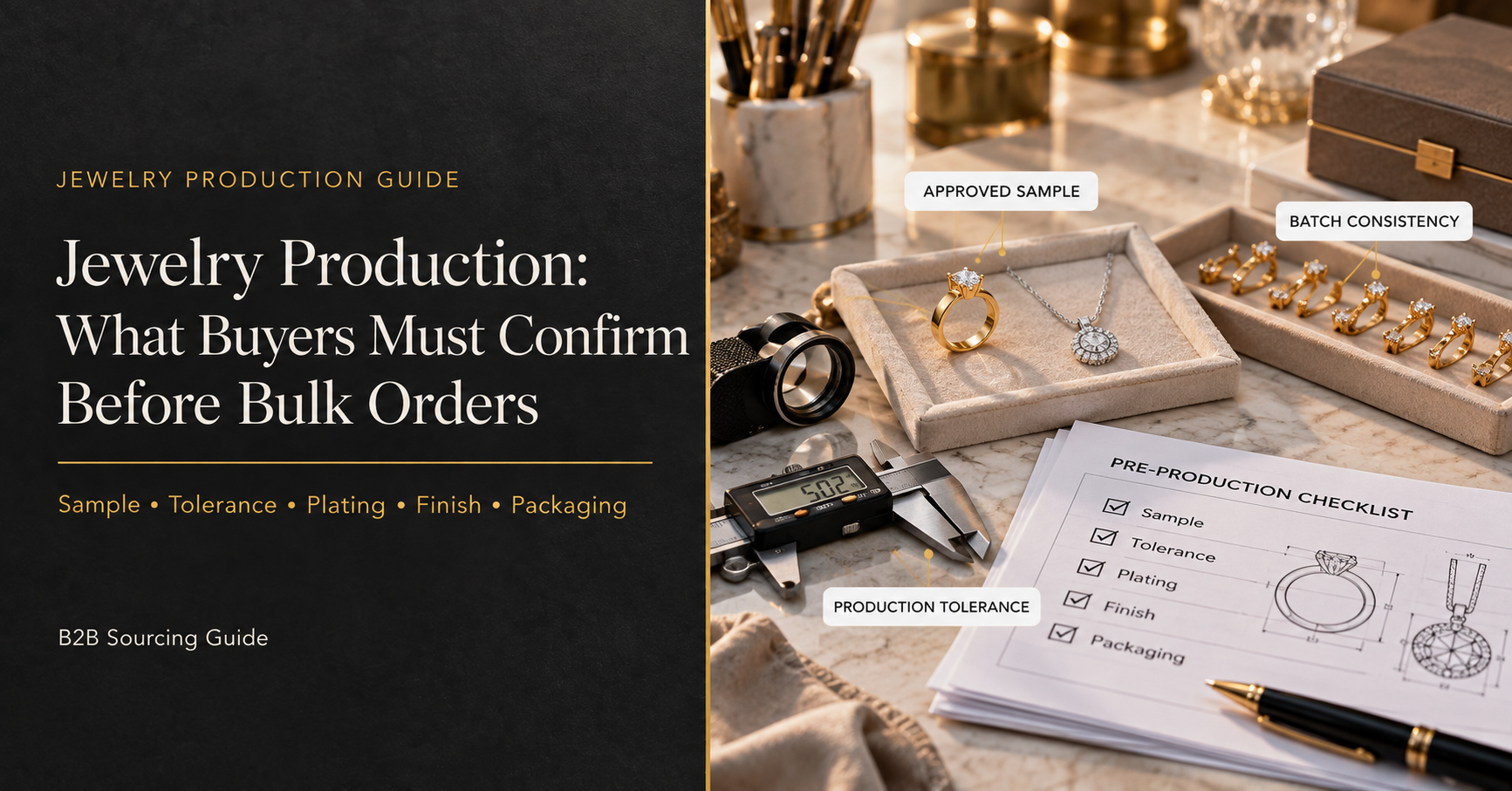
Why Sampling Is Essential for Chain Jewelry
Before placing a large order, brands should test a physical sample.
A practical sample checklist includes:
- Measure chain width and length.
- Check link symmetry.
- Inspect connection points.
- Test the clasp repeatedly.
- Examine plating and surface finish.
- Check the actual weight.
- Wear-test the chain for comfort.
- Compare the approved sample with the production specification.
- Confirm packaging protection.
- Keep an approved reference sample for future orders.
This process gives the supplier a clear quality benchmark for repeat production.
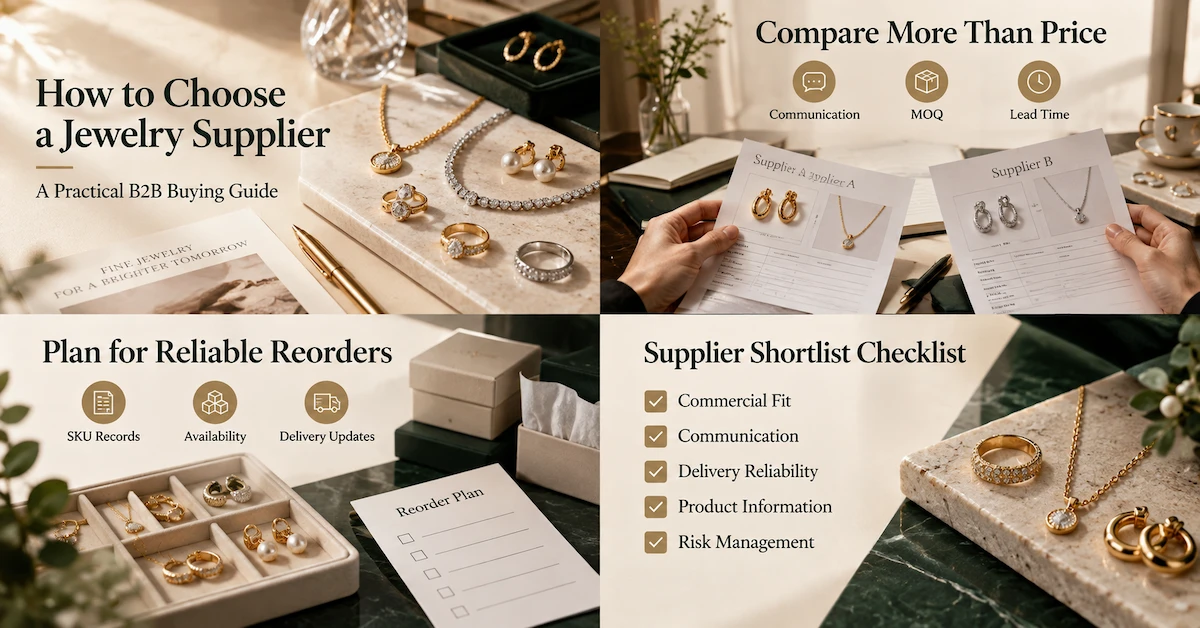
How to Choose the Right Mens Chain Jewelry Supplier
The right supplier should match your business model rather than simply offer the largest catalog.
Consider these questions:
- Does the supplier specialize in men's chain jewelry?
- Can it provide different chain constructions?
- Can it control width, length, weight, and finish?
- Does it offer stainless steel and sterling silver options?
- Can it support OEM/ODM development?
- Can it provide physical samples?
- How does it control repeat-order consistency?
- Can it support packaging and private labeling?
- What is the expected production lead time?
- How does it handle quality issues?
A supplier that can answer these questions clearly is easier to evaluate than one that only provides product photos and prices.
Why Lonceen Can Be Considered for Men's Chain Sourcing
Lonceen operates both a wholesale jewelry platform and a jewelry manufacturing operation.
Its wholesale platform includes a dedicated men's jewelry category, while its factory operation covers stainless steel, 925 sterling silver, copper, necklaces, bracelets, pendants, rings, earrings, and other fashion jewelry.
For brands specifically looking for men's chains, its current product range includes Cuban-link, layered, hip-hop, and other men's necklace designs.
For wholesale product sourcing, explore the [men's jewelry collection], [stainless steel necklace collection], and [Lonceen jewelry factory] according to your product requirements.
Mens Chain Jewelry Supplier Checklist
Before choosing a supplier, make sure you can confirm:
-
Men's chain styles match your target market
-
Material specifications are clear
-
Chain width and length are documented
-
Clasp construction is suitable
-
Surface finish meets your brand requirements
-
Sample approval is available
-
OEM/ODM capabilities are clear
-
Custom logo options are available
-
Packaging requirements can be supported
-
QC procedures are defined
-
Repeat-order specifications can be maintained
-
Production and shipping timelines are confirmed
Final Thoughts
Choosing a mens chain jewelry supplier is less about finding the largest product catalog and more about finding a supplier that can consistently reproduce the right chain specifications.
For brands, the key factors are link construction, dimensions, material, finish, clasp quality, sampling, customization, and repeat-order consistency.
A strong supplier relationship can then become the foundation for a complete men's chain collection—from minimalist everyday chains to bold Cuban and streetwear styles.
If you are developing a new men's jewelry collection, start with a small group of clearly defined chain styles, test physical samples, confirm the specifications, and then scale the products that fit your market.
FAQ
1. What is a mens chain jewelry supplier?
A mens chain jewelry supplier provides chain-based jewelry designed for men's collections, including Cuban, curb, rope, box, Figaro, layered, and other chain styles. Suppliers may offer ready-to-ship products, customization, OEM, or ODM services.
2. What materials are commonly used for men's chains?
Common materials include stainless steel, 316L stainless steel, 925 sterling silver, copper, and plated metal options. The best choice depends on target price, design, durability requirements, and brand positioning.
3. What chain width is popular for men's jewelry?
There is no single standard. Narrow chains around 2–4 mm are generally more understated, while chains around 5–7 mm offer a stronger fashion appearance. Wider chains can create a statement or streetwear look.
4. Can men's chains be customized?
Yes. Depending on the supplier, customization may include chain dimensions, link design, length, plating, logo, pendant, clasp, packaging, and other specifications.
5. Should I request samples before a bulk order?
Yes. Sampling helps brands verify dimensions, weight, clasp construction, surface finish, comfort, and overall product quality before committing to larger quantities.
6. What should I ask a men's chain supplier about plating?
Ask about the base material, plating process, color specification, surface preparation, quality inspection, and expected finish consistency between production batches.
7. Is stainless steel suitable for men's chain jewelry?
Stainless steel can be a practical option for men's fashion chains because it combines durability, commercial pricing, and design flexibility. The exact performance depends on the grade, construction, surface treatment, and usage conditions.
8. Can a supplier produce private-label men's chains?
Many OEM/ODM suppliers can support private-label development, including logos, custom designs, packaging, and product specifications. Requirements and minimum quantities vary by project.
9. How can I maintain consistency when reordering men's chains?
Keep an approved physical sample and detailed product specification covering material, dimensions, weight, plating, clasp, packaging, and other important production details.
10. What makes a good mens chain jewelry supplier?
A suitable supplier should combine product knowledge, stable manufacturing, clear specifications, reliable sampling, quality control, customization capability, and consistent repeat production.