

For bridal boutiques, wedding brands, jewelry retailers, and wedding-focused businesses, choosing the right wedding jewelry supplier is not simply about finding attractive pieces at competitive prices.
Wedding jewelry has a unique purchasing cycle. Customers often shop around specific events, bridal styles, wedding parties, and gifting moments. This means a successful supplier needs to support more than individual product orders. The right partner should help businesses build a coordinated collection that works across different wedding occasions and customer needs.
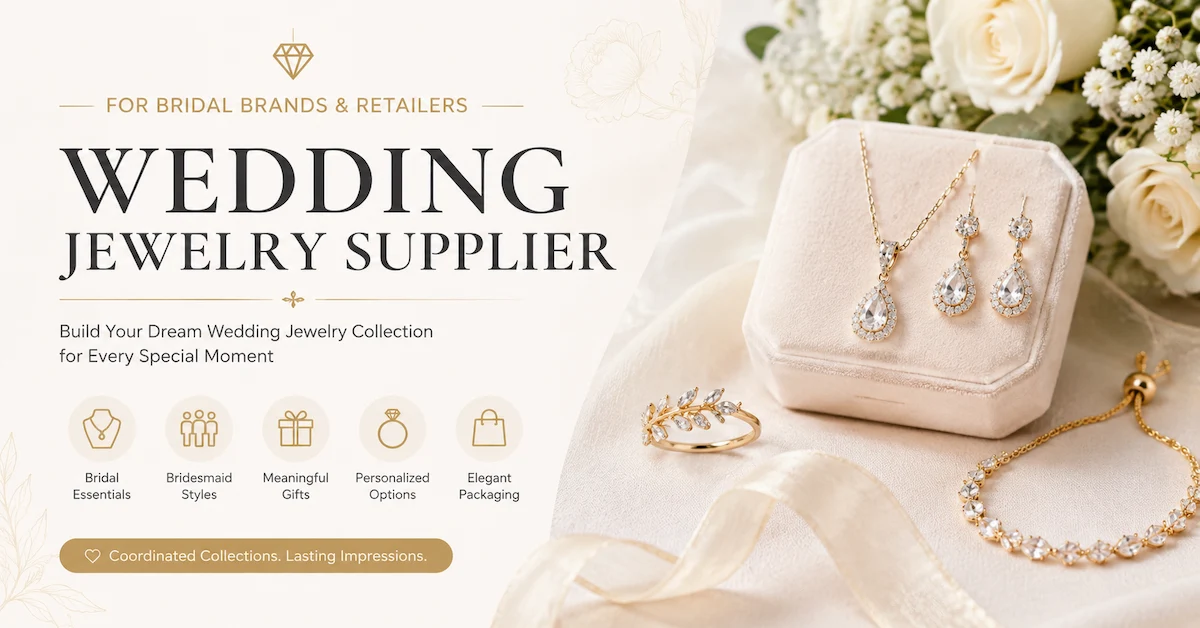
For businesses looking to develop or expand a wedding jewelry collection, Lonceen Jewelry provides a range of jewelry solutions for different product concepts and market positioning. Explore the company's jewelry products to see available styles and collection directions.
What Makes a Wedding Jewelry Supplier Different?
A general jewelry supplier may offer a broad selection of rings, necklaces, earrings, and bracelets. A wedding jewelry supplier, however, needs to understand how these products work within the wedding customer journey.
A wedding collection can include jewelry for:
- Brides
- Bridesmaids
- Wedding guests
- Mothers of the bride and groom
- Bridal parties
- Wedding gifts
- Anniversary and post-wedding occasions
The important point is collection compatibility.
A bride may purchase earrings for the ceremony, while bridesmaids may need coordinated accessories. Guests may look for elegant but affordable pieces, and family members may purchase jewelry as gifts.
Therefore, a strong wedding jewelry collection should offer different price points and styles while maintaining a consistent visual direction.
Build the Collection Around Wedding Occasions
One of the most effective ways for B2B buyers to organize wedding jewelry is by occasion rather than by jewelry type alone.
Instead of presenting customers with hundreds of unrelated products, a supplier can help retailers create several clear product groups.
Bridal Jewelry
The bridal range should focus on elegant pieces that complement wedding dresses and formal styling.
Typical products include:
- Statement earrings
- Delicate necklaces
- Elegant bracelets
- Minimalist rings
- Crystal or gemstone-inspired accessories
The key is not simply adding more decoration. Bridal jewelry should work with different dress silhouettes, necklines, hairstyles, and wedding themes.
Bridesmaid Jewelry
Bridesmaid collections create an important opportunity for coordinated purchasing.
Retailers can offer similar or complementary pieces in several styles, allowing customers to choose jewelry that matches the wedding color palette while still giving each bridesmaid an individual look.
For example, a collection might include:
One design direction → multiple earrings, necklaces, bracelets, and matching accessories.
This makes merchandising easier and increases the possibility of multi-piece orders.
Wedding Guest Jewelry
Guest jewelry usually requires a different positioning.
Rather than highly bridal designs, retailers can offer elegant pieces suitable for weddings, receptions, engagement parties, and other formal events.
This gives the collection a broader selling window.
A customer who purchases jewelry for a wedding may also wear the same piece at:
- Engagement parties
- Anniversary dinners
- Formal celebrations
- Evening events
- Holiday occasions
This wider usability can make wedding jewelry more commercially attractive to retailers.
Create Wedding Collections Instead of Individual Products
For a wedding jewelry supplier, one of the strongest commercial advantages is the ability to support collection-based merchandising.
Instead of selling isolated products, businesses can create coordinated groups such as:
| Collection | Main Customer | Product Direction |
|---|---|---|
| Bridal Essentials | Brides | Elegant and refined |
| Bridal Party | Bridesmaids | Coordinated styles |
| Wedding Guest | Guests | Versatile formal jewelry |
| Mother of the Bride | Family | Classic and sophisticated |
| Wedding Gifts | Gift Buyers | Meaningful and presentable |
| Romantic Occasions | Couples & Families | Elegant everyday styles |
This approach gives retailers more flexibility when building collections for their own customers.
It also helps prevent a common problem in wedding jewelry: having attractive individual products but no clear relationship between them.
Why Matching Jewelry Matters for Wedding Retailers
Matching jewelry can be particularly valuable in the wedding market because weddings naturally involve groups.
A bridal party may include several bridesmaids, family members, and close friends. Coordinated jewelry allows retailers to create products that are visually connected without requiring every person to wear exactly the same piece.
For example, a collection could use the same design language across:
- Earrings
- Pendant necklaces
- Bracelets
- Hair accessories
- Small gift pieces
The result is a wedding collection with visual consistency rather than a collection of unrelated SKUs.
For B2B buyers, this can also simplify product photography, catalog organization, and in-store presentation.
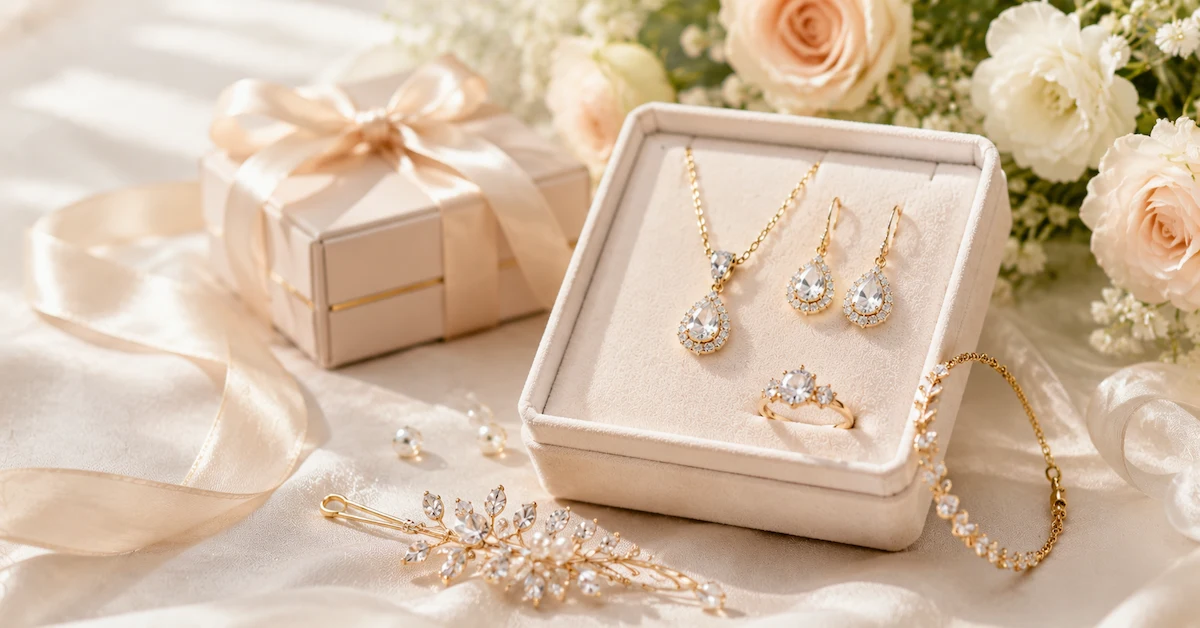
Personalization Adds Value to Wedding Jewelry
Personalization is another important direction for wedding-focused collections.
Wedding customers often look for jewelry that feels connected to a specific person, date, relationship, or celebration.
Depending on the product concept, personalization may include:
- Initials
- Names
- Dates
- Short messages
- Symbols
- Birth-related details
- Wedding-themed motifs
For retailers, personalized products can create a stronger emotional connection while giving a wedding collection a distinctive selling point.
However, personalization should be integrated into the collection strategy rather than treated as an isolated product.
For example, a retailer could develop one recognizable design family and offer several personalization options within that family.
This creates a balance between standardized collection design and individual customer expression.
Plan Wedding Jewelry Around Seasonal Demand
Wedding demand is not always evenly distributed throughout the year.
Different markets have different wedding seasons, and retailers may need to prepare collections before customers begin actively shopping.
A wedding jewelry supplier should therefore support buyers in planning around:
Collection launch → promotional period → peak wedding demand → replenishment → seasonal transition
This is particularly important for wholesale businesses.
If a bridal collection becomes popular during a peak period but selected styles cannot be replenished quickly, retailers can lose sales at the exact moment customer demand is strongest.
A better approach is to identify:
- Core wedding styles
- Seasonal styles
- High-volume products
- Statement products
- Gift-oriented products
- Products suitable for year-round sales
The supplier relationship should support this merchandising logic.
What Should Wedding Jewelry Buyers Look for in a Supplier?
When comparing potential suppliers, buyers should look beyond product quantity.
A practical evaluation can focus on five areas:
1. Wedding Collection Compatibility
Does the supplier offer products that can be combined into a coherent wedding collection?
2. Style Range
Can the supplier support different wedding aesthetics, from minimalist and modern to romantic and classic?
3. Product Coordination
Can different jewelry categories share a consistent design language?
4. Customization Potential
Can the supplier adapt selected designs for branding, personalization, or wedding-specific concepts?
5. Business Support
Can the supplier communicate clearly about product selection, development, packaging, and international orders?
These factors are especially relevant to bridal boutiques and wedding brands that want to develop a recognizable product identity rather than simply resell random jewelry styles.
For more information about Lonceen Jewelry and its capabilities, visit the About Us page.
Wedding Jewelry Packaging Is Part of the Product Experience
Wedding jewelry is frequently purchased as a gift or presented during an important event.
That makes packaging more commercially important than it may be for some everyday jewelry categories.
For B2B buyers, packaging can help create a more complete product experience through:
- Elegant jewelry boxes
- Gift-ready presentation
- Brand cards
- Care information
- Wedding-themed inserts
- Coordinated packaging styles
For bridal boutiques, packaging can also reinforce the positioning of a collection.
A simple jewelry piece can feel considerably more premium when the packaging, product presentation, and brand story are consistent.
A Practical Wedding Jewelry Collection Structure
For businesses entering the wedding jewelry market, a balanced collection does not need to contain hundreds of products.
A more practical starting structure can be:
Core Collection
Everyday bridal pieces that form the foundation of the range.
Statement Collection
More noticeable designs for customers looking for a stronger visual impact.
Bridal Party Collection
Coordinated products designed for bridesmaids and wedding groups.
Gift Collection
Smaller pieces suitable for family members, friends, and wedding-related gifting.
Personalized Collection
Selected styles that allow names, initials, dates, or other meaningful details.
This structure makes the collection easier to understand for both retailers and end customers.
Why Lonceen Jewelry Can Support Wedding Jewelry Businesses
Lonceen Jewelry works with different jewelry product categories and provides customization-oriented jewelry solutions for business customers.
Its product range can support businesses developing wedding-focused collections across different styles and jewelry categories. Buyers can review the available range through the Lonceen Jewelry product collection.
For businesses that need a more detailed understanding of jewelry ordering and customization considerations, the Lonceen Jewelry FAQ and guide provides additional information.
The focus is not simply on supplying individual jewelry pieces, but on helping business buyers turn product concepts into commercially usable collections.
Final Thoughts
Choosing a wedding jewelry supplier should begin with the collection you want to build, not simply the products you want to purchase.
A strong wedding jewelry range should connect bridal styles, wedding-party products, guest jewelry, gifting occasions, personalization, packaging, and seasonal merchandising into one clear product strategy.
For bridal boutiques, wedding brands, and jewelry retailers, the right supplier can make it easier to build a collection that feels coordinated, commercially relevant, and adaptable to different wedding occasions.
If you are developing a new wedding jewelry collection or expanding an existing range, explore Lonceen Jewelry to discuss suitable jewelry solutions for your business.