

Finding a wholesale bracelet supplier is easy. Finding one that can consistently provide the right styles, materials, pricing, quality, and replenishment support is much harder.
For retailers, bracelets are an important jewelry category because they are relatively easy to merchandise, work across different customer groups, and can be sold as everyday accessories, fashion pieces, gifts, or coordinated sets.
The real sourcing question is therefore not simply where to buy bracelets wholesale. It is how to choose a supplier that can support your product line over time.
This guide explains what retailers should evaluate before placing a wholesale bracelet order and how to build a more reliable bracelet sourcing strategy.
What Should a Wholesale Bracelet Supplier Provide?
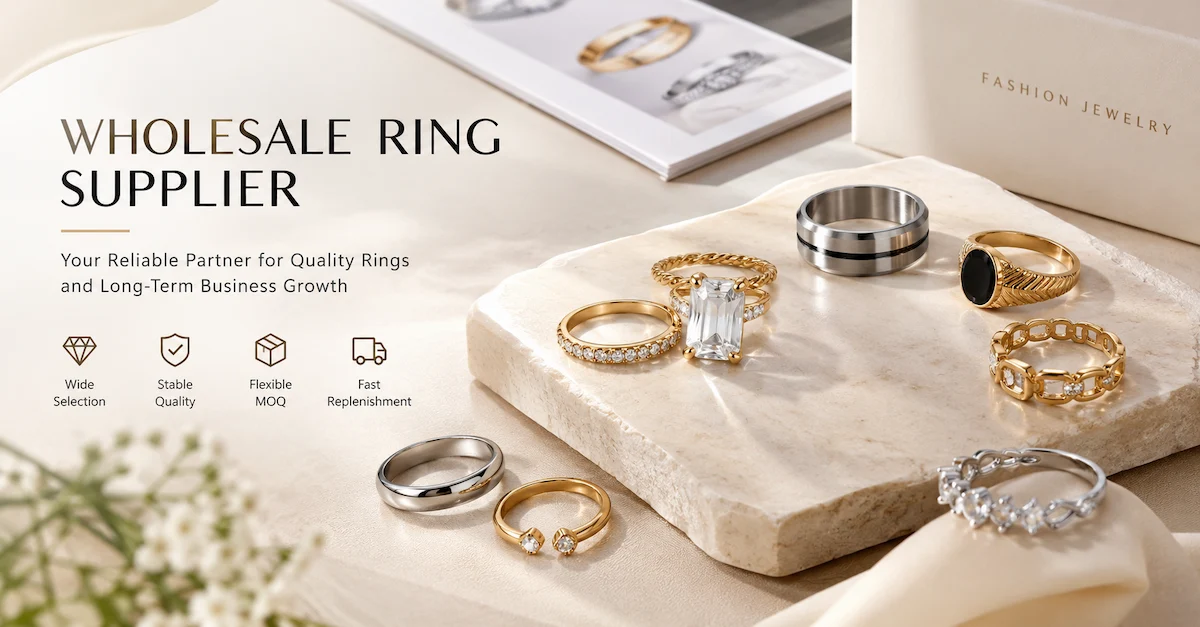
A professional wholesale bracelet supplier should offer more than a large product catalog.
For retail buyers, the supplier should ideally support four areas:
- Product variety for different customer segments
- Stable quality across repeat orders
- Competitive wholesale pricing
- Flexible replenishment when certain designs sell quickly
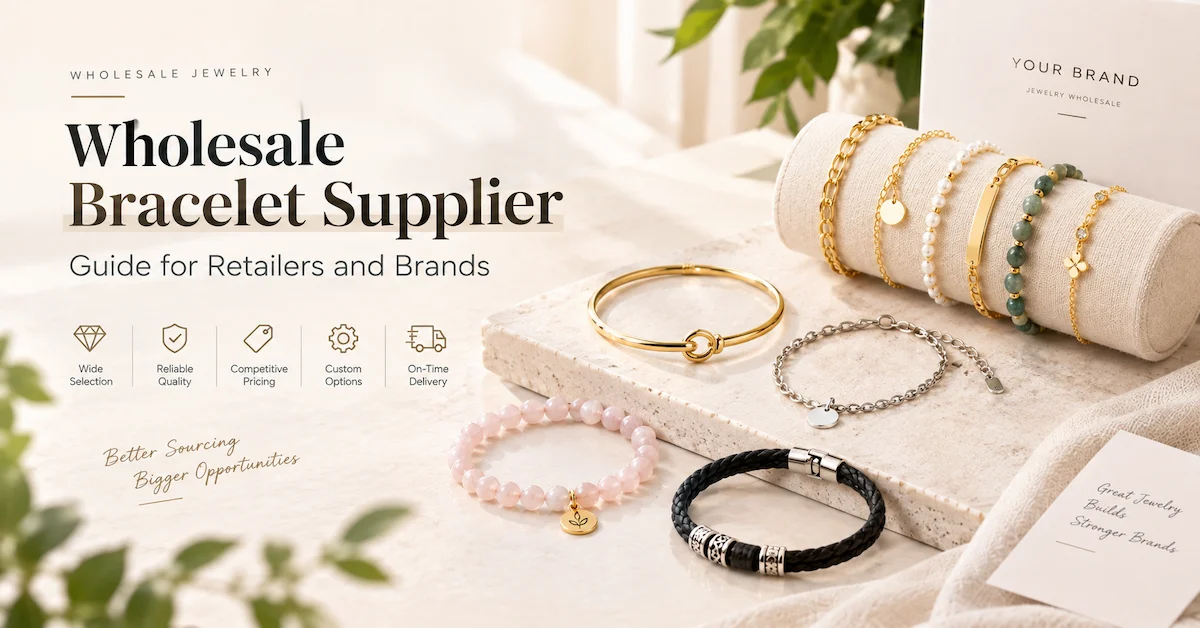
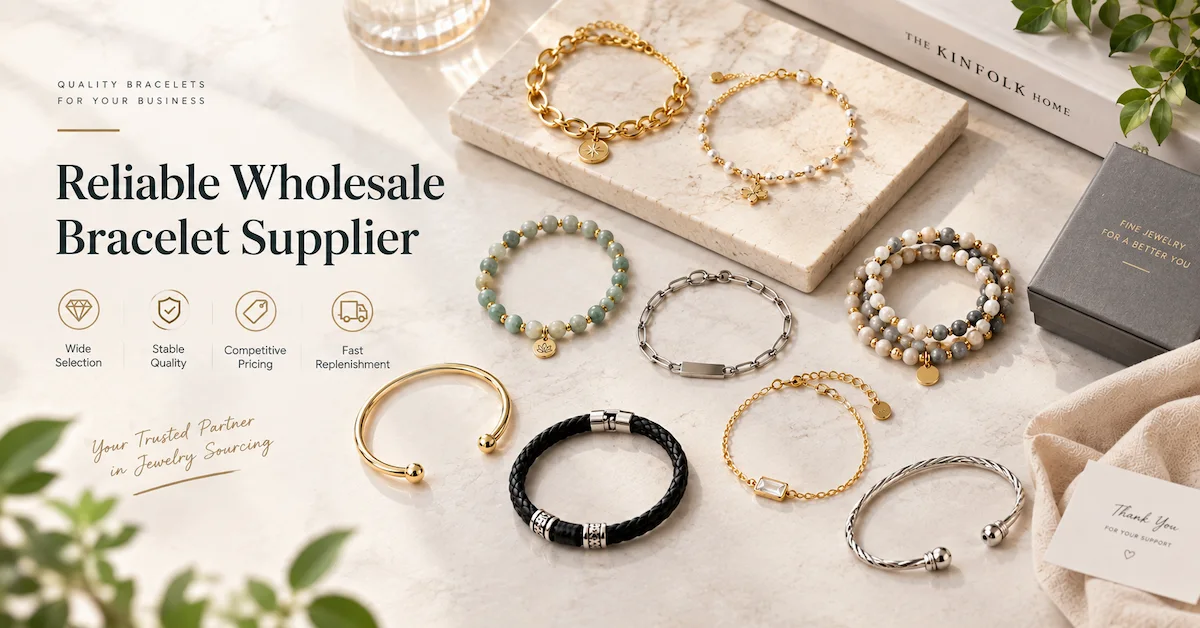
The product range may include chain bracelets, bangles, charm bracelets, cuff bracelets, beaded styles, minimalist bracelets, and men's or unisex designs.
The important point is to build a collection rather than purchase random individual products.
A strong bracelet collection usually combines evergreen designs, trend-driven pieces, different price levels, and several material options.
Why Bracelet Sourcing Is Different From General Jewelry Buying
Bracelets have several characteristics that make supplier selection particularly important.
1. Size and fit affect the buying experience
Bracelets need to fit different wrist sizes comfortably. Adjustable chains, extension chains, open cuffs, and multiple size options can make a collection easier to sell.
For retailers, adjustable designs can also reduce the inventory complexity associated with carrying too many size variations.
2. Small finishing details are highly visible
Clasps, chain connections, edges, plating, charms, stones, and surface finishing can strongly influence how a bracelet looks in the hand.
A bracelet may appear attractive in a product photo but feel very different when customers actually handle it.
3. Repeat orders need to look consistent
If a retailer sells a successful bracelet and later reorders the same design, significant changes in color, plating, chain thickness, or component quality can create customer complaints.
That makes production consistency an important supplier-selection factor.
Which Types of Wholesale Bracelets Should Retailers Consider?
Instead of choosing products only by appearance, buyers should organize their assortment by customer demand.
| Bracelet Type | Typical Positioning | Suitable Retail Strategy |
|---|---|---|
| Chain bracelets | Everyday fashion | Core collection |
| Bangles | Simple and classic | Easy-to-merchandise styles |
| Charm bracelets | Personal and gift-oriented | Seasonal collections |
| Beaded bracelets | Casual and lifestyle | Younger customer groups |
| Cuff bracelets | Statement fashion | Higher visual impact |
| Minimalist bracelets | Clean and versatile | Everyday wear |
| Men's bracelets | Masculine/unisex | Men's jewelry collections |
| Adjustable bracelets | Flexible sizing | Broad customer coverage |
This approach makes purchasing decisions more practical.
Rather than asking, “Which bracelet looks popular?”, retailers can ask, “What role does this bracelet play in my product mix?”
Materials Matter More Than the Product Photo
A bracelet's material affects its price, appearance, durability, positioning, and customer expectations.
Common wholesale bracelet materials include:
Stainless Steel
Stainless steel is widely used for fashion and everyday jewelry because it provides a balance between cost, appearance, and durability.
It can also support finishes such as gold-tone or other decorative plating.
925 Sterling Silver
Sterling silver is suitable for retailers targeting a higher perceived value and more premium product positioning.
It is commonly used for detailed bracelets, gemstone designs, minimalist collections, and gift-oriented products.
Copper and Alloy
Copper and alloy materials can provide greater flexibility for fashion-oriented designs and decorative shapes.
They may be suitable when the priority is achieving a specific appearance at a controlled wholesale cost.
For buyers, the key is not simply choosing the “best” material. The better approach is to match the material with the intended retail price and customer expectations.
What to Check Before Ordering From a Bracelet Supplier
A supplier's catalog is only the first step.
Before placing a larger order, evaluate the following areas.
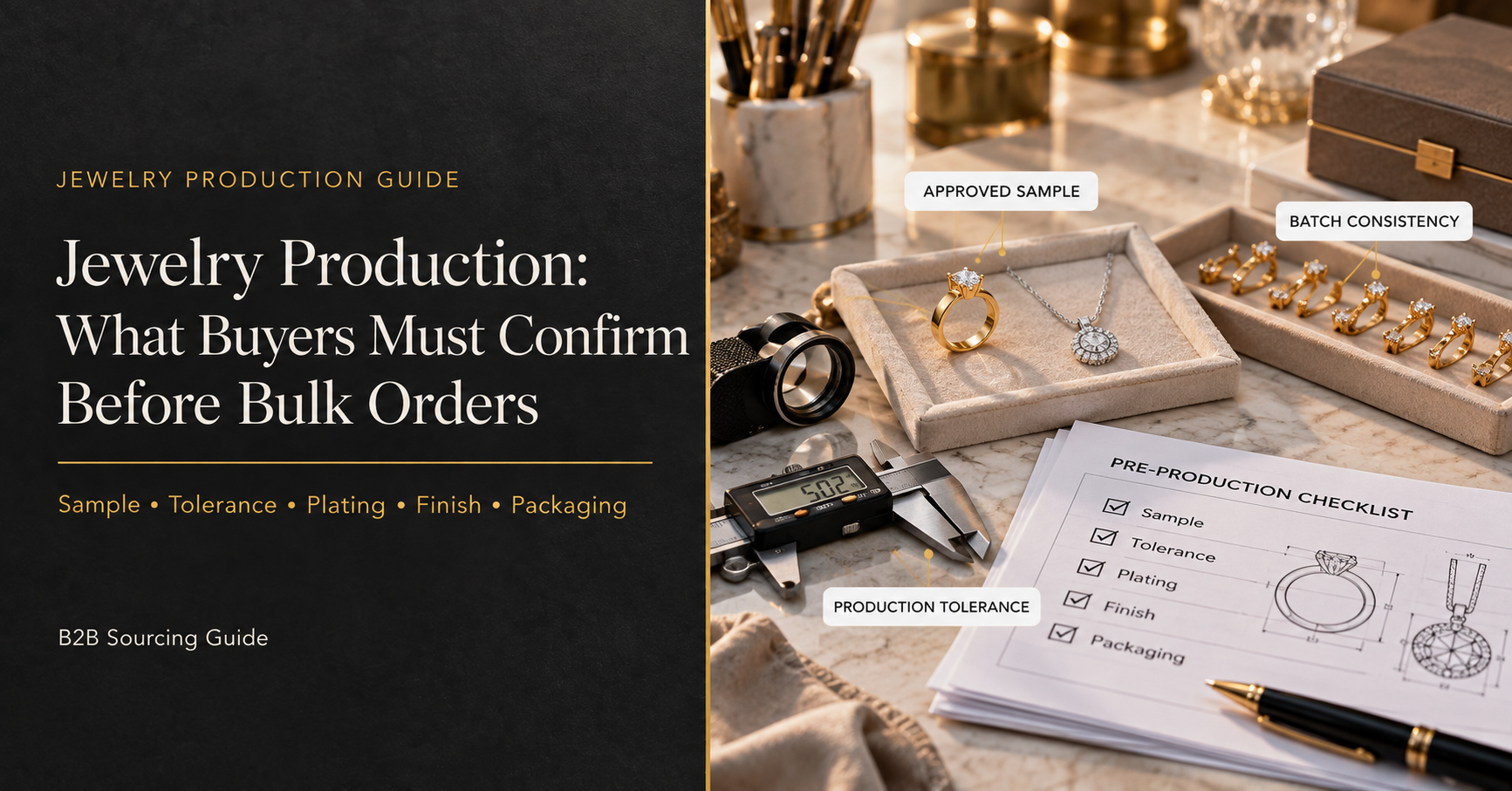
Product consistency
Ask whether the supplier can maintain the same specifications across repeat production.
Check:
- Bracelet dimensions
- Chain thickness
- Clasp construction
- Stone or charm placement
- Surface finish
- Plating color
- Logo or engraving details when applicable
Sample quality
Samples allow buyers to check details that product photos cannot show.
Inspect the bracelet from several angles and test the clasp, adjustment mechanism, connections, and overall finishing.
If possible, compare samples from different production batches before committing to a long-term supplier relationship.
Packaging
Packaging can influence retail presentation and fulfillment efficiency.
Depending on your business model, you may need individual bags, jewelry boxes, branded packaging, barcode labels, or other packing requirements.
Replenishment capability
A bracelet supplier should be able to explain what happens when one SKU suddenly becomes a bestseller.
Ask:
- Can the design be reordered?
- Is the product kept in stock?
- How long does replenishment normally take?
- Can production capacity increase for larger orders?
These questions are especially important for retailers building collections around repeat-selling products.
Wholesale Bracelet Supplier vs. General Jewelry Wholesaler
These two supplier types can overlap, but their strengths may be different.
| Factor | General Jewelry Wholesaler | Bracelet-Focused Supplier |
|---|---|---|
| Product range | Very broad | More focused |
| Bracelet selection | Depends on catalog | Usually deeper |
| Category knowledge | General | More specialized |
| Assortment planning | General jewelry | Bracelet-focused |
| Replenishment | Depends on supplier | Often easier to plan by category |
| Customization | Varies | Depends on manufacturing capability |
| Best for | Mixed jewelry sourcing | Retailers developing bracelet collections |
A general wholesaler can be useful when you need many jewelry categories at once.
A bracelet-focused sourcing partner becomes more valuable when bracelets represent a significant part of your retail assortment.
How Much Should Wholesale Bracelets Cost?
There is no single wholesale price for bracelets.
The final cost depends on several variables:
Wholesale Cost = Material + Manufacturing + Finishing + Packaging + Order Volume + Logistics
Important pricing factors include:
- Material type
- Bracelet construction
- Plating or surface treatment
- Stones or decorative components
- Customization
- Packaging
- Order quantity
- Shipping method
For example, a simple stainless steel chain bracelet and a detailed sterling silver bracelet may target completely different retail price points.
The cheapest product is therefore not automatically the most profitable choice.
A better purchasing decision considers wholesale cost, expected selling price, perceived value, return risk, and replenishment potential together.
How to Build a Profitable Bracelet Collection
Retailers should avoid putting all purchasing budget into one design style.
A more balanced collection can include three layers.
Core Products
These are simple designs that can remain in the catalog for a longer period.
Examples include minimalist chains, classic bangles, and adjustable bracelets.
Trend Products
These products respond to current fashion preferences and can create short-term sales opportunities.
They should generally be purchased more carefully because demand can change quickly.
Higher-Value Products
These pieces use better materials, more detailed workmanship, or stronger design elements.
They can increase the average order value and give the collection a more premium appearance.
This three-layer approach helps retailers balance stability, trend responsiveness, and margin opportunities.
When Should You Choose a Factory-Direct Bracelet Supplier?
Factory-direct sourcing can become useful when order volume increases or when retailers need more control over product specifications.
A factory partner may provide:
- Product development
- Material selection
- Sample production
- Custom finishing
- Logo or engraving options
- OEM/ODM services
- Production management
- Quality inspection
- Bulk manufacturing
For retailers starting with ready-to-ship products, a broad wholesale marketplace may be sufficient.
For retailers developing their own bracelet collections, direct manufacturing support can become more valuable.
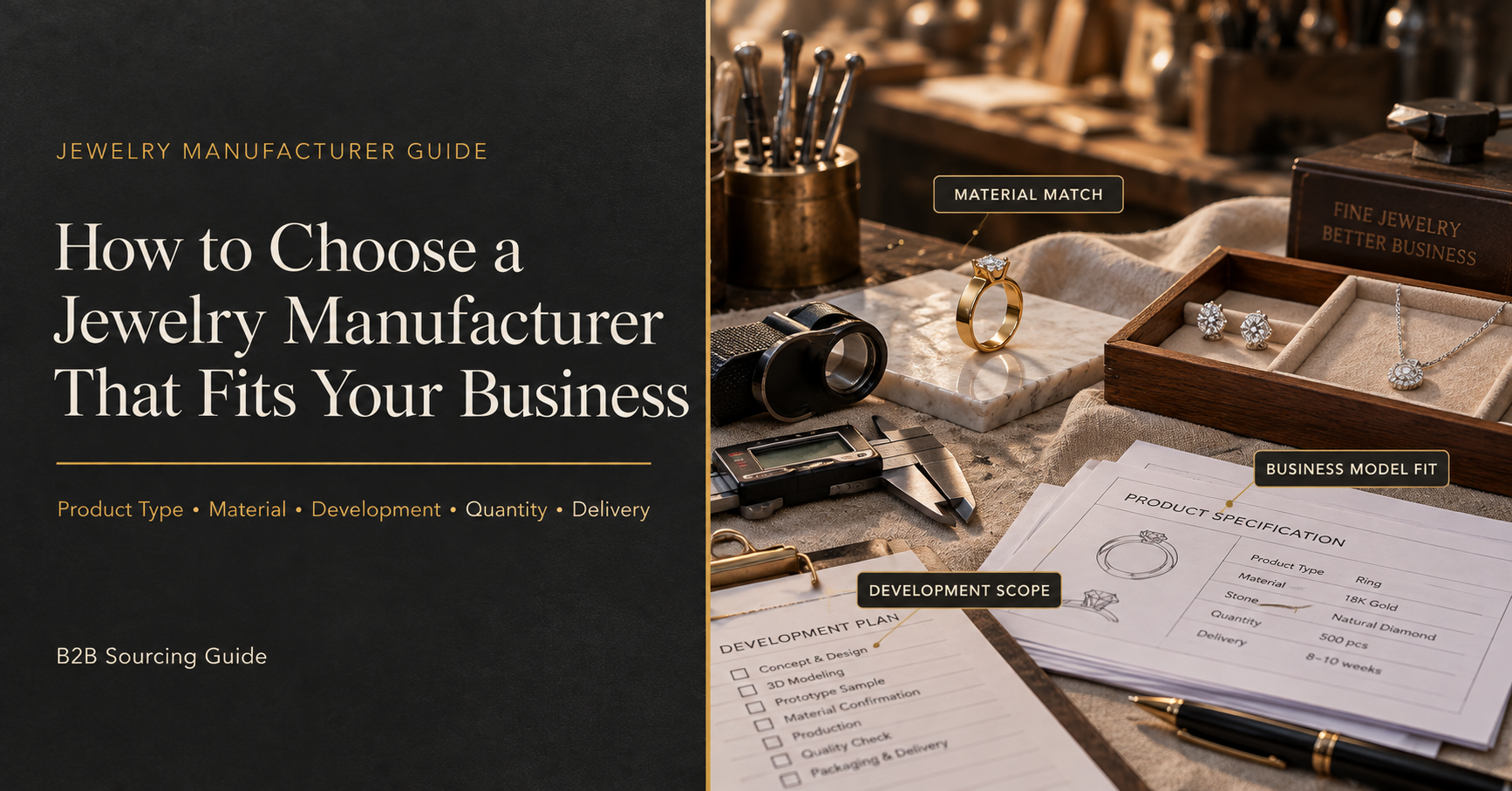
Lonceen, for example, provides wholesale jewelry together with manufacturing and OEM/ODM capabilities, covering stainless steel, sterling silver, copper and other jewelry categories.
Why Inventory Flexibility Matters
Bracelet demand can vary significantly between designs.
One SKU may sell consistently for months, while another may receive very little attention.
This is why inventory flexibility matters.
Lonceen's wholesale platform currently lists bracelet and bangle products with low-order purchasing options, while its factory operation supports larger-scale production and OEM/ODM projects.
For retailers, this creates two useful sourcing paths:
Test → Identify Winners → Reorder → Scale
Instead of committing too much capital to untested designs, buyers can validate demand first and increase purchasing around proven products.
Questions to Ask a Wholesale Bracelet Supplier
Before choosing a long-term supplier, ask these questions:
- What bracelet materials do you offer?
- Can I order samples before placing a bulk order?
- What is the MOQ for each bracelet?
- Can successful designs be reordered?
- How consistent are repeat production batches?
- Can you customize bracelet sizes or components?
- Do you provide logo or engraving services?
- Can you create custom bracelet designs?
- What quality inspection process do you use?
- What is the estimated production and shipping schedule?
A supplier that answers these questions clearly is easier to evaluate than one that focuses only on product photos and prices.
Why Lonceen Can Be Considered for Wholesale Bracelet Sourcing
For retailers looking for a combination of ready-to-buy products and manufacturing support, Lonceen offers both wholesale sourcing and factory capabilities.
Its current wholesale platform lists a dedicated bracelets and bangles category, while the factory site describes OEM/ODM production, product development, and large-scale manufacturing capabilities.
The factory states that it has more than ten years of industry experience and produces stainless steel, sterling silver, copper and other jewelry products. It also describes an OEM/ODM process covering communication, sample design, engineering proofing, sample confirmation, production, delivery, and after-sales service.
For buyers, the advantage is having the option to move from ready-made wholesale bracelets to customized production as their business develops.
Wholesale Bracelet Sourcing Checklist
Before confirming your supplier, review this checklist:
-
Product styles match your target customers
-
Materials are clearly specified
-
Samples meet your quality expectations
-
Bracelet sizing is suitable
-
Plating and finishing are consistent
-
Wholesale pricing leaves enough retail margin
-
MOQ fits your inventory budget
-
Bestseller replenishment is possible
-
Packaging meets your requirements
-
Production timelines are clear
-
Customization is available when needed
-
Communication is responsive
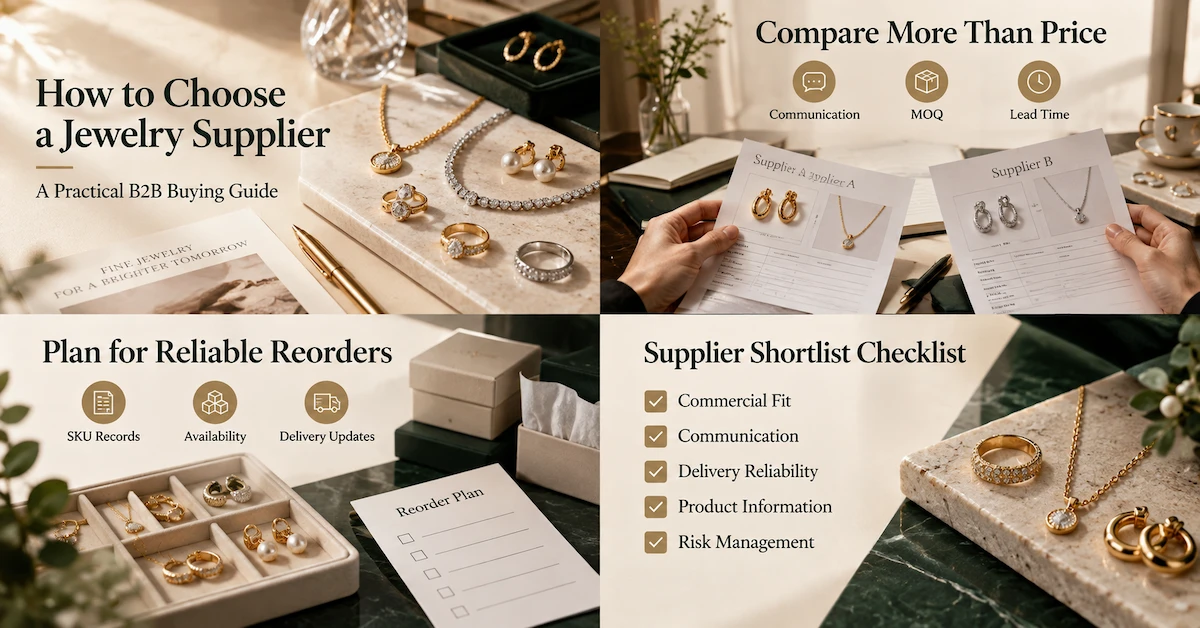
If most of these boxes are checked, you are in a much stronger position to build a long-term supplier relationship.
Final Thoughts
Choosing a wholesale bracelet supplier should be treated as a product-line decision rather than a simple price comparison.
The right supplier should help you maintain a balanced bracelet assortment, control purchasing risk, protect product consistency, and replenish successful designs efficiently.
For retailers, the strongest sourcing strategy is usually simple:
Choose the right products → test demand → monitor quality → reorder winners → expand the collection.
If you are looking for ready-to-wholesale bracelets or want to discuss custom bracelet production, explore Lonceen's bracelet collection and OEM/ODM capabilities for your next product range.
FAQ
1. What is a wholesale bracelet supplier?
A wholesale bracelet supplier provides bracelets to retailers, brands, resellers, or other businesses at wholesale pricing. Depending on the supplier, products may be ready-made or customized.
2. What bracelet materials are common in wholesale jewelry?
Common options include stainless steel, 925 sterling silver, copper, alloy, beads, and various decorative components.
3. Should I buy samples before ordering wholesale bracelets?
Yes. Samples allow you to evaluate material quality, dimensions, finishing, clasps, packaging, and overall product consistency before making a larger investment.
4. What is a good MOQ for wholesale bracelets?
MOQ varies by supplier and product. Ready-made products may have lower order requirements, while custom bracelets generally require a higher production quantity.
5. Can wholesale bracelets be customized?
Many manufacturers can customize bracelet dimensions, colors, components, engraving, logos, packaging, or complete designs depending on production capability.
6. Are stainless steel bracelets suitable for retail collections?
They can be a practical option for fashion and everyday jewelry collections because stainless steel offers a combination of appearance, durability, and relatively controlled sourcing costs.
7. How can I reduce wholesale bracelet inventory risk?
Start with a controlled assortment, test different designs, track sales performance, and reorder proven products rather than purchasing large quantities of every SKU.
8. What should I compare between bracelet suppliers?
Compare product quality, material specifications, MOQ, pricing, sample policy, customization, replenishment capability, lead time, packaging, and communication.
9. Is factory-direct sourcing better for bracelets?
Factory-direct sourcing can be beneficial when you need larger quantities, custom designs, product development, or more control over manufacturing. For small test orders, a wholesale platform may be more convenient.
10. Where can I source wholesale bracelets?
Retailers can source through jewelry wholesalers, online wholesale platforms, distributors, or direct manufacturers. The best option depends on product requirements, order volume, customization needs, and replenishment strategy.